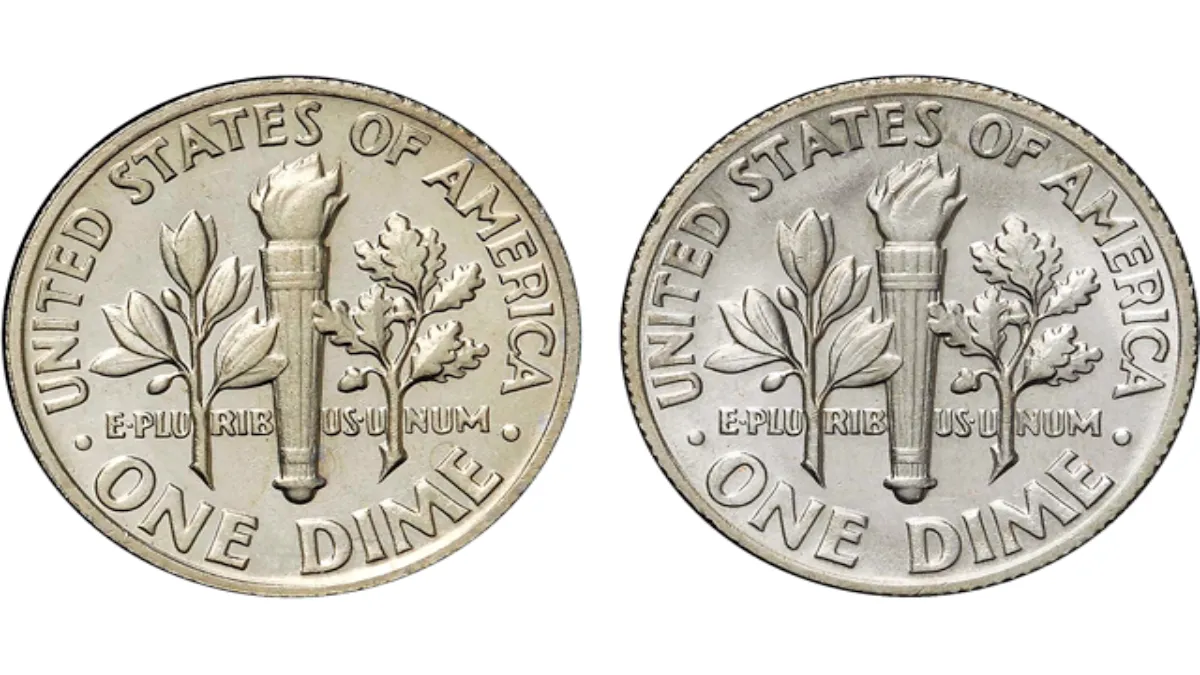
The Roosevelt dime may be one of the smallest denominations in U.S. currency, but in 2025 it continues to play a surprisingly important role in everyday transactions, coin collecting and even metal value discussions. Introduced in 1946 to honor President Franklin D. Roosevelt, this dime has remained in continuous circulation for decades. While many people overlook it in pocket change, the Roosevelt dime holds historical, economic and collector significance that makes it far more impactful than its size suggests.
Why the Roosevelt Dime Still Matters in 2025
In an era dominated by digital payments, physical coins like the Roosevelt dime remain essential for cash transactions, vending machines, parking meters and exact change situations. The dime’s small size combined with relatively high purchasing power compared to pennies makes it one of the most practical coins still in circulation. In 2025, it continues to circulate widely, ensuring its relevance in daily commerce across the United States.

Design and Historical Importance
The Roosevelt dime features the profile of Franklin D. Roosevelt on the obverse, symbolizing leadership during the Great Depression and World War II. The reverse design, updated in 1965 to feature a torch flanked by olive and oak branches, represents liberty, peace and strength. This simple but meaningful design has helped the dime remain instantly recognizable, reinforcing its cultural and historical importance even in modern times.

Silver Value and Older Roosevelt Dimes
One of the biggest reasons the Roosevelt dime stands out is its connection to silver. Dimes minted between 1946 and 1964 contain 90 percent silver, giving them intrinsic metal value far above face value. In 2025, with ongoing interest in precious metals, these silver Roosevelt dimes are actively collected, traded and sometimes removed from circulation. Their dual role as both currency and silver investment keeps them highly relevant.

Modern Circulation and Production
Post-1964 Roosevelt dimes are made from copper-nickel clad, which means they no longer carry silver value but remain essential for everyday use. The U.S. Mint continues to produce millions of Roosevelt dimes each year, ensuring availability for commerce. In 2025, they remain one of the most commonly used coins, especially compared to low-value denominations like the penny.

Collector Interest and Error Coins
Beyond regular circulation, Roosevelt dimes attract collector interest due to key dates, mint errors and proof versions. Errors such as missing mint marks, doubled dies and off-center strikes can significantly increase a dime’s value. Collectors in 2025 continue to search rolls of dimes and pocket change, proving that valuable finds are still possible in everyday circulation.

How the Roosevelt Dime Impacts Everyday Users
For everyday users, the Roosevelt dime offers convenience and efficiency. Ten cents remains a meaningful amount for small purchases, tips and exact change. Unlike larger coins that may sit unused, dimes are frequently spent and reused, reinforcing their practical importance. This constant movement through the economy gives the Roosevelt dime a larger role than many other coins.
Value Comparison in 2025
| Type of Roosevelt Dime | Typical Value in 2025 |
|---|---|
| Circulated Modern Dime | $0.10 |
| Uncirculated Modern Dime | $0.25 – $2 |
| Silver Dime (1946–1964) | $2 – $5+ |
| Rare Error Dime | $50 – $10,000+ |
Final Thoughts
The Roosevelt dime proves that size does not determine significance. In 2025, it remains a vital part of everyday spending, a gateway coin for collectors and a reminder of America’s monetary and historical legacy. Whether used for daily purchases or saved for its silver and collectible value, the Roosevelt dime continues to leave a lasting mark far beyond its ten-cent face value.
Disclaimer
Coin values vary based on condition, rarity and market demand. This article is for informational purposes only and does not guarantee specific valuations. Professional appraisal is recommended for potentially valuable coins.